Have Questions? Contact Us Now!
Laser & Advanced Medical Esthetic Courses
27 February, 2026
- By whitebunniegpa
Safety, Hygiene & Regulation in Laser & Neurotoxin Training: What Students Must Master
Aspiring estheticians and medspa professionals in Minnesota need to master more than just technique. In Laser & Neurotoxin Training, understanding safety, hygiene and legal rules is essential. Students at Minnesota Brow Lash & Medspa Academy learn up-to-date standards (as of 2025) for infection control and lawful practice. For example, a recent health alert warned of illnesses from counterfeit Botox, highlighting why only licensed, trained injectors and approved products should be used. Our training stresses these points: before any laser or injection procedure, the treatment area and equipment must be fully sanitized, and the practitioner must follow all state regulations.
Regulations and Certification
- Licensing and Scope: In Minnesota, cosmetic lasers and neuromodulator injections (like Botox) are considered medical procedures. Only licensed healthcare providers – such as physicians, physician assistants, nurse practitioners or registered nurses – may perform them (often under a supervising physician). Estheticians cannot legally inject neurotoxins or operate medical lasers on their own.
- Curriculum Requirements: Minnesota’s Cosmetologist Examiners Board requires that advanced esthetician programs include infection-control and safety training. This means students must learn universal precautions, bloodborne pathogen rules, and local health codes as part of their courses. For example, training must cover sterilization procedures and how to dispose of sharps safely (needles, single-use tips, etc.).
- Certification Rules: Unlike some states, Minnesota does not mandate a separate “laser technician” license or set hours specifically for laser training. However, other states do; for instance, many require physician supervision and 16–40 hours of coursework in laser physics and safety. Even without a state license, reputable academies follow national standards. Minnesota rules penalize salons that reuse single-use items or ignore sanitation laws, so proper disposal and hygiene are non-negotiable.
Hygiene Standards in Laser and Lash Services
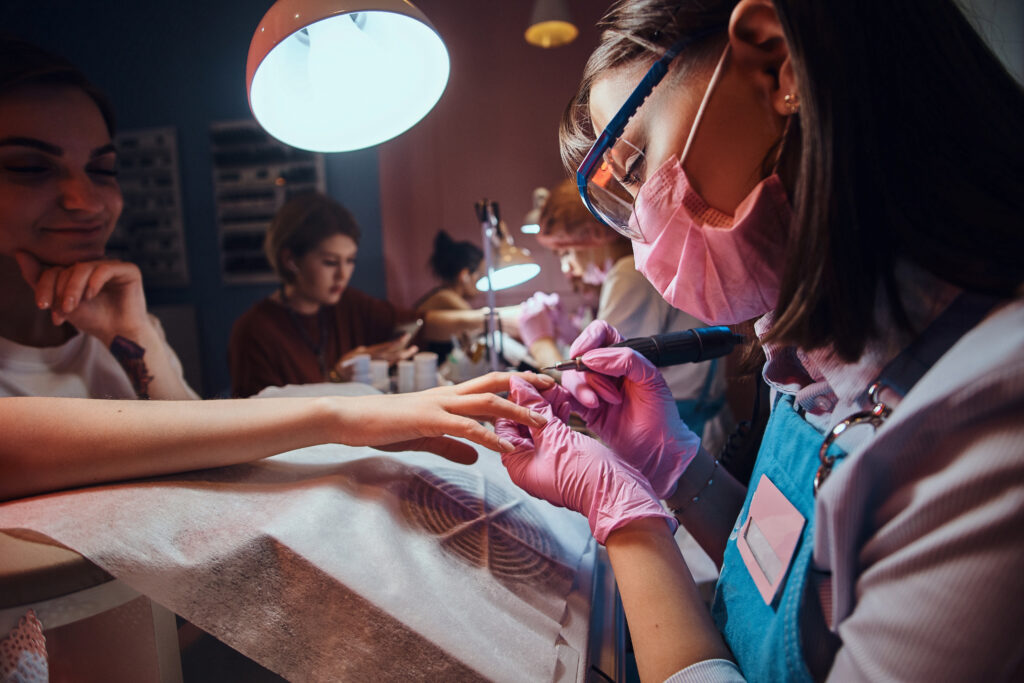
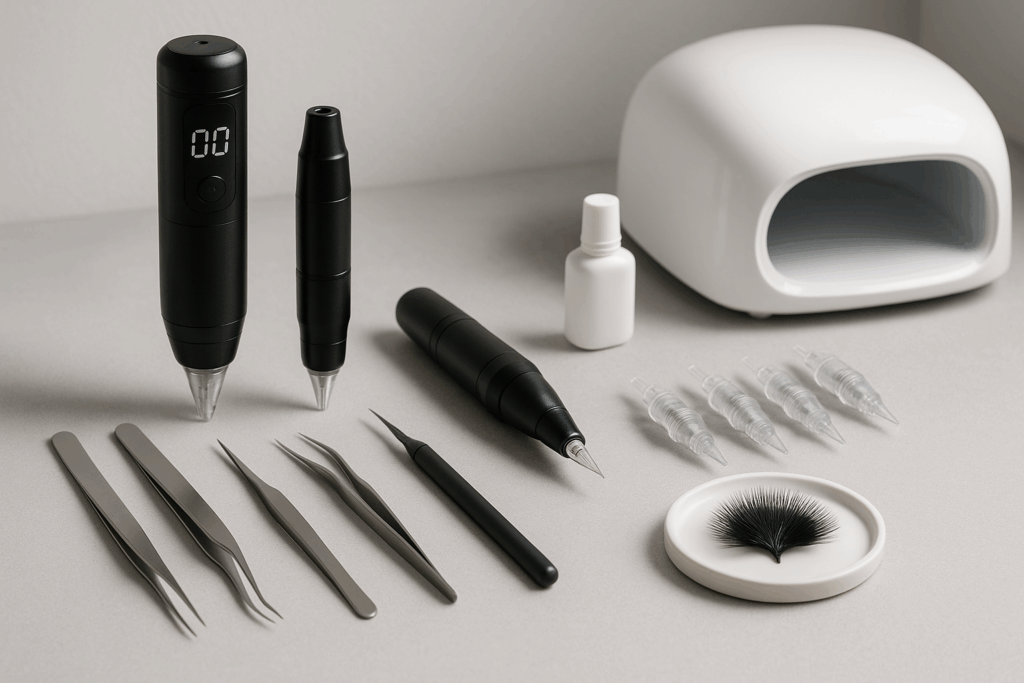
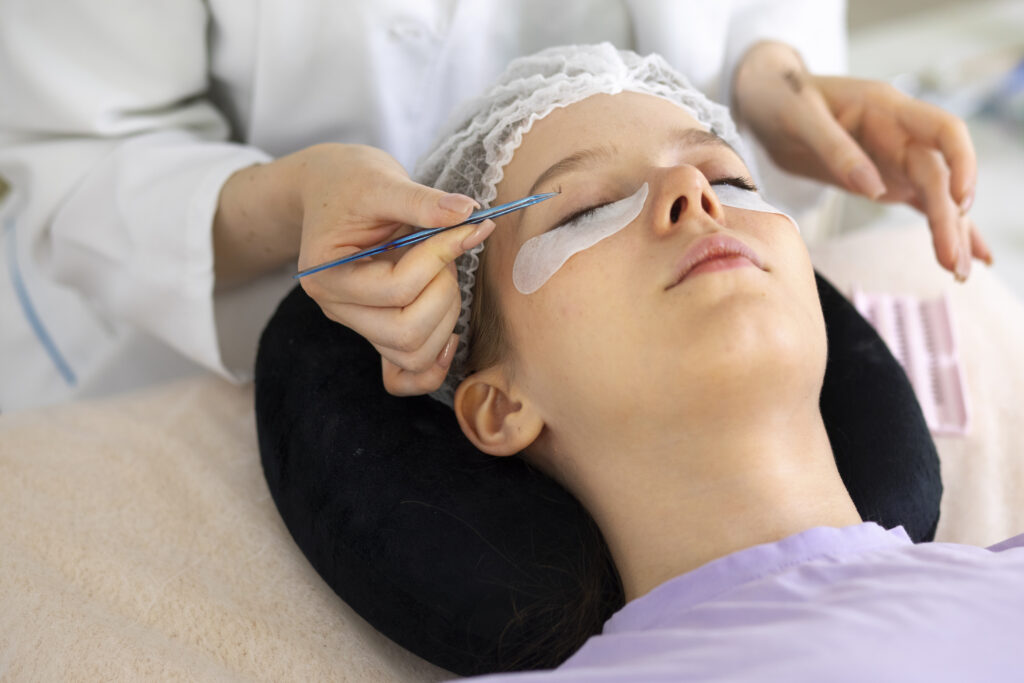
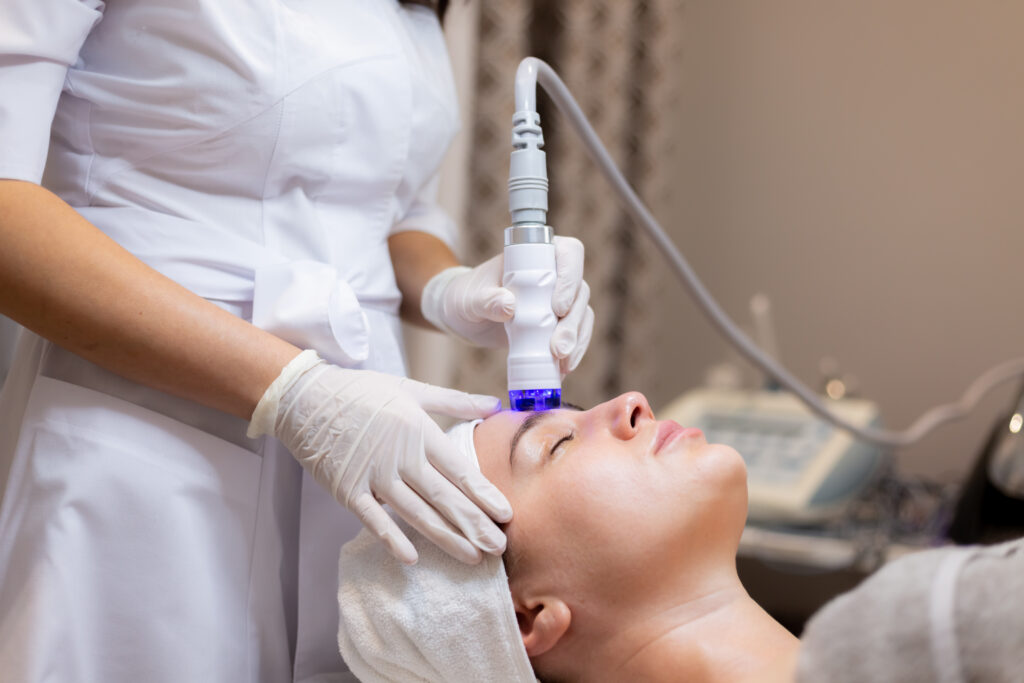
Laser devices and treatment rooms must be kept spotlessly clean. Students learn to follow each manufacturer’s cleaning instructions (using non-alcohol, hospital-grade disinfectants). Handpieces, cables and touchscreens are wiped down between clients. Protective eyewear is mandatory for clients and staff during every laser procedure. All work surfaces and linens are changed or disinfected for each client. A skilled lash technician, for example, will sterilize metal tweezers in a disinfectant between uses and use disposable adhesive strips to avoid cross-contamination.
Key points for laser/lash hygiene include:
- Equipment Cleaning: Always clean lasers with a soft, lint-free cloth and a mild cleaner, then disinfect with an approved agent. Check and vacuum filters regularly to prevent dust buildup.
- Protective Gear: Staff and clients wear fitted goggles during laser treatments. Masks or gloves may be used during chemical facials or lash services when fluids or dust are possible.
- Single-Use Supplies: Any disposable item (gloves, gauze, applicators, plastic handpiece tips, pillow covers) must be thrown away immediately after use. Minnesota inspectors fine salons that reuse these items.
- Surface Sanitation: Wipe treatment tables, chairs and instruments with hospital-grade disinfectant between clients. In eyelash extension services, brushes and trays are cleaned and adhesives are discarded after opening to prevent microbial growth.
By enforcing these practices, students avoid cross-infection and comply with safety laws. For instance, one trainee once caught a classmate about to reuse a pillow cover on a laser bed. She reminded them that failure to change linens violates sanitation rules and could spread germs. This real-world check helps new estheticians protect each client’s health.
Hygiene and Safety in Neurotoxin Injections
Injection training covers strict medical protocols. Students first learn to screen clients – reviewing medical history, allergies and contraindications before any treatment. The injection room must be clean and well-lit, and the practitioner performs hand hygiene and dons new gloves for each patient. Neurotoxin injections (Botox, Xeomin, etc.) use sterile, single-use syringes and needles. After cleaning the patient’s skin with alcohol, the injector administers the toxin slowly and steadily with precise technique. These safe-injection practices are drilled in every hands-on session.
Key steps for safe neurotoxin injections:
- Licensed Provider: Only a trained, licensed medical professional may inject neurotoxins. In fact, the CDC warns that patients should only receive Botox or other botulinum products from authorized, licensed providers. Our program requires all students to hold appropriate medical credentials.
- Clean Technique: Always use a brand-new syringe and needle for each injection. Wear gloves and swab the skin with antiseptic beforehand. Dispose syringes in approved sharps containers immediately. Never recap needles or allow them to touch non-sterile surfaces.
- Injection Protocol: Inject slowly, pausing as needed (aspirating if indicated). Knowing anatomy is crucial to avoid nerves and blood vessels. Fillers and neurotoxins have different protocols, but both require careful dose control. For example, injectors learn to have reversal agents (like hyaluronidase for fillers) on hand in case of rare complications.
- Product Safety: Only use FDA-approved neuromodulators from a reputable supplier. Students are trained to inspect vials (checking lot numbers, expiry dates and packaging) to avoid counterfeits. (In 2024, cases of counterfeit Botox caused illness, so verifying the brand and injector’s credentials is now emphasized in training.)
Following these protocols keeps injections safe. For instance, every student must perform injections on practice models under instructor supervision until they can do it cleanly and confidently. The goal is that by the time they graduate, administering neurotoxins is second nature – without hesitation about hygiene or technique.
Mastery Through Practice
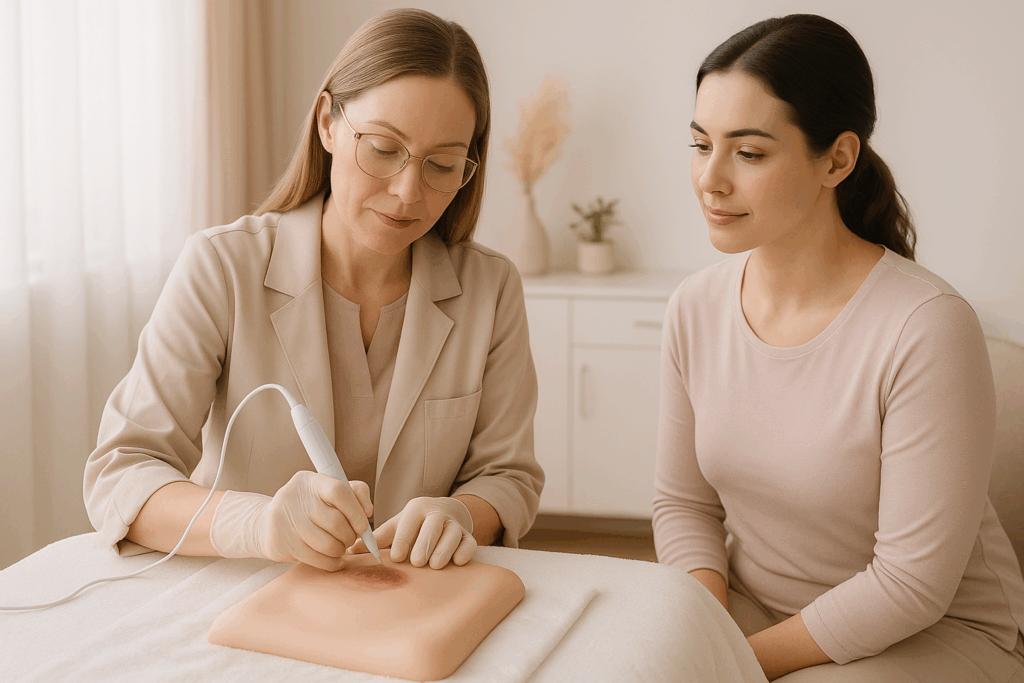
By the end of their course, students at Minnesota Brow Lash & Medspa Academy can handle all steps safely. They learn checklists for each treatment: from applying gel on the laser head to wiping down the armrest, and from drawing up Botox to disposing of gloves. In hands-on clinics, instructors simulate potential problems (like a client feeling faint) and have students respond calmly.
In summary, safety and sanitation are as critical as the procedures themselves. Adhering to hygiene standards and understanding regulations protect clients and build trust. Through comprehensive Laser & Neurotoxin Training, students become careful, professional practitioners who can offer services without cutting corners. In a field where well-being is paramount, mastering these safety and regulatory essentials is not optional – it’s a must for every esthetics student in Minnesota.